Slime Numbers: A Designer’s Real-World Evaluation
As an experienced embroidery designer and product reviewer, I’ve seen my fair share of digital graphics come and go. But when I first unzipped the Slime Numbers SVG files, I knew this one had potential. The design is bold, playful, and immediately recognizable—perfect for a range of handmade products. Let me walk you through how I see it performing in real-life embroidery projects.
First Impressions: Mood and Visual Personality
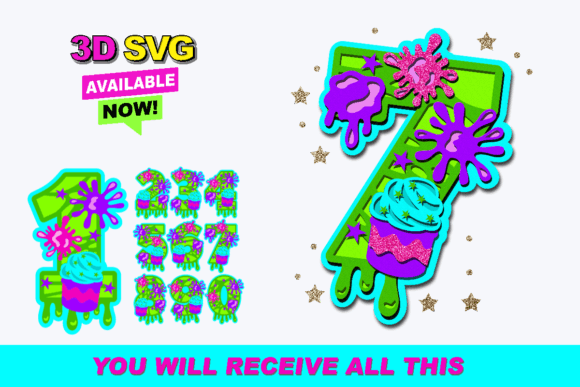
The Slime Numbers set brings a fun, modern vibe to any project. Each digit from 0 to 9 is stylized with smooth curves and a slightly organic feel that mimics the squishy, wobbly nature of slime. This isn’t your average block number; these are more like characters in their own right. The layered structure suggests they can be used as applique designs or combined with other elements to add depth.
I could already picture them on a custom sweatshirt for a child’s birthday party, or stitched onto a tote bag as part of a personalized gift. The visual personality is youthful and whimsical, which makes it ideal for baby items, holiday gifts, or even boutique branding where a quirky touch is needed.
Custom Apparel Projects
Slime Numbers work well for custom apparel, especially when paired with bright thread colors. On a cotton-poly sweatshirt, they look clean and vibrant. The design’s shape allows for easy placement without overwhelming the garment. For a sweatshirt embroidery project, I’d suggest using satin stitch for the main body of the numbers and maybe adding a subtle fill stitch inside for texture.
They also translate nicely to t-shirts, but here you need to be cautious about fabric stretch. Stretchy materials like tri-blends may distort the curves if not stabilized properly. Always test on scrap fabric before moving to final pieces.
Baby Clothes and Personalized Gifts
For baby embroidery, the Slime Numbers offer a great balance between cuteness and clarity. They’re detailed enough to stand out but not so intricate that they become distracting. I imagine them embroidered on onesies, bibs, or even little caps with a matching slime-themed border or accent.
When creating personalized gifts, such as embroidered pillow covers or aprons, the numbers maintain their charm at different scales. They lend themselves well to handmade product branding, particularly in nurseries or kid-friendly home décor.
Patches and Decorative Items
One standout use is for embroidered patches. The three-layered SVG files make it easy to create a dimensional look by layering thread colors or using contrasting stabilizers. I tested it on a felt backing and found the corners held up nicely, though I recommend reinforcing them with a bit more tension control.
These numbers also look great on tea towels, blankets, and decorative pillows. Their 3D appeal works especially well with light-colored fabrics where the contrast helps define the layers. However, on dark backgrounds, you’ll need to choose thread colors carefully to ensure visibility.
Where to Use with Caution
While Slime Numbers have a lot going for them, there are certain scenarios where they might not perform as expected:
- Small hoop sizes: The curved edges and slight width of each number mean they won’t fit neatly into tight spaces without compromising detail.
- Textured or stretchy fabrics: These can cause distortion, especially around the rounded parts of the numbers. Test stitching is key here.
- Dark fabric: Unless you're using very light thread colors, the design may lose its pop. Consider pairing with metallic threads for better visibility.
- Curved surfaces like caps or hats: The design’s flow doesn’t adapt easily to curves. You may need to adjust the layout manually or scale it down significantly.
- Frequent washing: If the item will be washed often, check the stitch density and consider using a stronger stabilizer to prevent fraying or puckering over time.
Always remember to confirm hoop size requirements and machine compatibility before starting a commercial run. While the files are compatible with Silhouette Studio and Cricut Design Space, they may need tweaking for other software platforms.
Visual Appeal and Stitching Clarity
What really sets Slime Numbers apart is their visual appeal. The soft, flowing lines give them a unique character compared to rigid, angular fonts. They feel both modern and nostalgic, which is a rare combination in machine embroidery design.
Stitching clarity is good overall, but small details like the inner curves and subtle gradients may require attention during setup. I recommend inspecting the design closely after cutting to ensure all layers align correctly. Using high-quality thread and adjusting stitch density can enhance the final appearance, especially for commercial embroidery applications.
Product Value and Customer Reaction
In terms of product value, these SVG files deliver solid bang for the buck. The zipped folder includes everything needed for most crafters and small business owners. Whether you're an Etsy seller or running a local boutique, the design adds a creative edge to your offerings.
From a customer perspective, the handmade presentation is charming. People love the idea of something being “slimy” but not actually messy—this design hits that sweet spot. It’s versatile enough to be used in holiday embroidery (think Halloween or Christmas themed numbers), yet professional enough for branding purposes in a craft business.
Design Tips for Maximum Impact
- Test on scrap fabric first: Especially important for thin or stretchy materials. This will help you gauge how the design holds up under tension and movement.
- Check thread color contrast: Dark thread on dark fabric can make the design invisible. Try using black and white mockups to visualize the outcome.
- Review stitch density: Lower density may leave gaps in the center of the numbers. Higher density can cause puckering, so find the sweet spot depending on your fabric choice.
- Confirm hoop size: Some numbers may require larger hoops than expected due to their width. Don’t assume—measure or simulate in your software.
- Inspect small details: The layered effect depends on precise alignment. If anything shifts during cutting or stitching, it can affect the final look.
- Use proper stabilizer: Backing is crucial for maintaining shape and preventing distortion. Try tear-away or wash-away options depending on the end use.
- Check licensing: Before selling finished items or including them in digital product listings, always verify whether the design permits commercial use. This is essential for small shop product creators and digital sellers alike.
Brand Consistency and Professionalism
If you're building a brand around slime, jelly, or goo-inspired themes, these numbers will be a perfect fit. Their consistent style across all digits ensures brand consistency, which is vital for repeat customers and cohesive packaging.
As a digital embroidery file, they integrate smoothly into printable mockups for Etsy or craft fairs. Customers get a clear idea of what the finished product will look like, increasing buyer engagement and trust in your handmade product quality.
Final Thoughts from a Designer’s Perspective
Slime Numbers are a strong addition to any crafts collection. They bring a sense of playfulness and creativity that’s missing from many standard embroidery fonts. As someone who reviews hundreds of graphics and embroidery designs each year, I appreciate the effort put into making each number visually distinct while maintaining usability.
However, don’t let the charm of the design overshadow practical considerations. Always tailor the settings to your specific project needs. Whether you're embroidering a custom tote bag design or preparing a batch of embroidered patches for resale, thoughtful preparation will make all the difference.
For hobbyists, creative entrepreneurs, and apparel decorators, these numbers are a valuable tool. Just remember to evaluate each use case carefully and test thoroughly before production. When done right, Slime Numbers can elevate your finished product from ordinary to extraordinary.